In 2025, a website is no longer just an online presence—it is a 24/7 salesperson, brand ambassador, and customer support desk. User expectations have evolved rapidly, and businesses that fail to adapt risk losing trust, traffic, and revenue.
This blog explains what users expect from websites in 2025 and how smart website design & development can help businesses grow faster in a highly competitive digital world.
1. Speed Is Not Optional — It’s Expected
In 2025, users expect websites to load in under 3 seconds—especially on mobile.
Why it matters:
Slow websites increase bounce rate
Google prioritizes fast sites in rankings
Users leave instantly if performance is poor
What users expect:
Lightweight design
Optimized images & code
Fast hosting & CDN integration
✅ Expectation: Instant response, smooth scrolling, zero lag
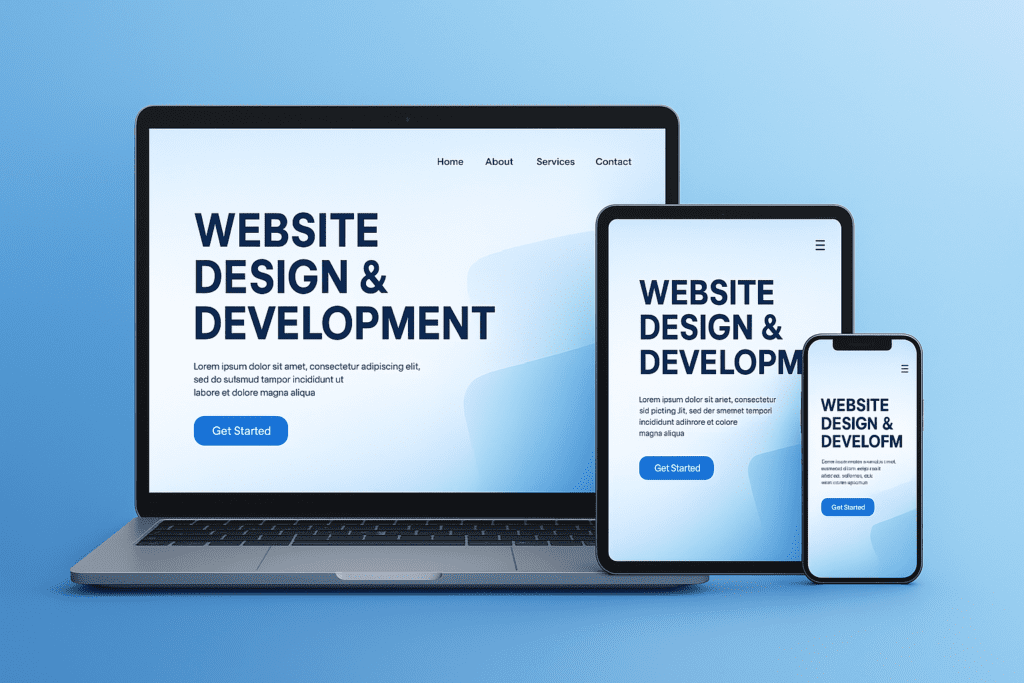
2. Mobile-First Experience (Not Just Mobile-Friendly)
More than 75% of users browse on mobile devices in 2025. Users don’t want a “shrunk desktop site”—they want a mobile-first experience.
Users expect:
Thumb-friendly navigation
Readable fonts without zooming
Clickable buttons and forms
Seamless checkout on mobile
✅ Expectation: A mobile experience as powerful as desktop
3. Clean, Minimal & Purpose-Driven Design
In 2025, users prefer clarity over clutter.
Design trends users expect:
Minimal layouts
Plenty of white space
Bold typography
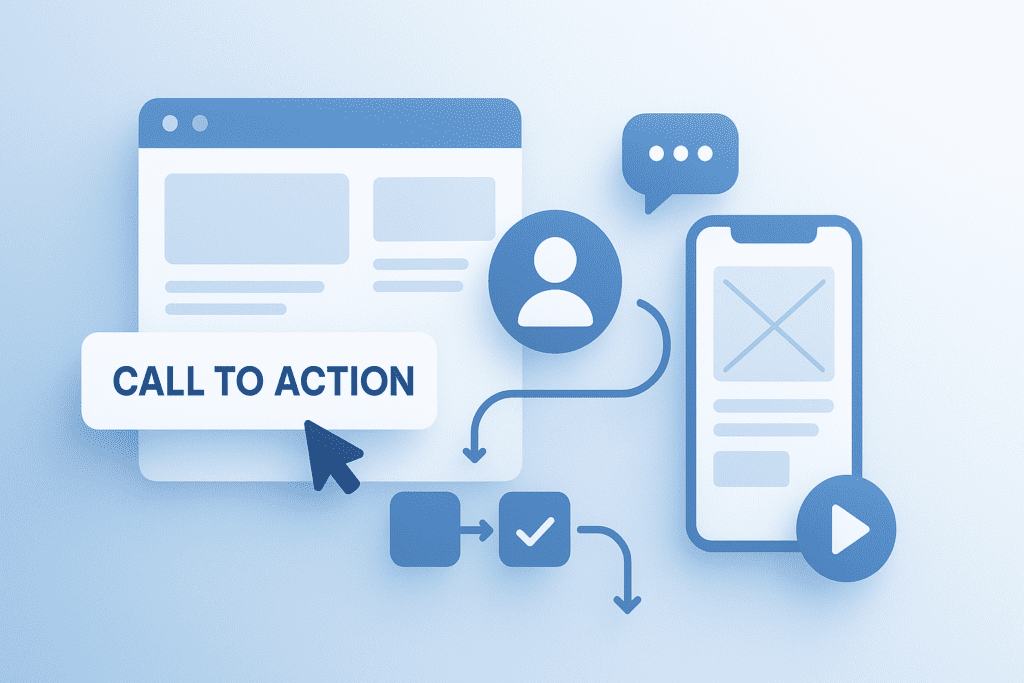
Clear CTA (Call to Action)
Visual hierarchy that guides attention
What no longer works:
❌ Too many pop-ups
❌ Flashy animations without purpose
❌ Overloaded homepages
✅ Expectation: Clean design that solves their problem quickly
4. Easy Navigation & User Journey
Users expect to find what they want in 3 clicks or less.
Smart navigation in 2025 includes:
Simple menus
Logical structure
Clear headings
Breadcrumb navigation
Smart footer links
✅ Expectation: No confusion, no searching endlessly
5. Personalized User Experience
Users now expect websites to understand them.
In 2025, users expect:
Personalized content
Location-based services
Relevant offers
Smart recommendations
Examples:
Returning users see relevant content
Location-based contact & offers
Industry-specific landing pages
✅ Expectation: “This website understands my needs”
6. Strong Website Security & Trust Signals
Trust is a top priority in 2025.
Users instantly check for:
HTTPS (SSL)
Secure payment gateways
Privacy policy & terms
Clear contact details
Real testimonials & reviews
Without trust signals, users leave—immediately.
✅ Expectation: A secure and trustworthy website
7. SEO-Optimized Structure From Day One
Users don’t see SEO directly—but they benefit from it.
In 2025, users expect:
Websites to appear on Google
Relevant search results
Clear, helpful content
SEO-based website development includes:
Clean code
Fast loading
Proper heading structure
Schema markup
Internal linking
✅ Expectation: Easy to find, easy to understand
8. AI-Powered Features & Automation
In 2025, users expect smart features.
Popular AI-driven expectations:
Chatbots for instant replies
Smart forms
Auto-suggestions
Voice search compatibility
✅ Expectation: Instant interaction, no waiting
9. Content That Adds Real Value
Modern users don’t want sales talk—they want solutions.
Users expect:
Helpful blogs
Clear service explanations
FAQs
How-to guides
Case studies
✅ Expectation: Value before selling
10. Clear Conversion Focus
A website in 2025 must guide users toward action.
Users expect:
Easy contact options
WhatsApp & call buttons
Simple enquiry forms
Clear CTAs like:
“Get a Quote”
“Book a Call”
“Start Now”
✅ Expectation: Simple & fast decision-making
Why Website Design & Development Matters More in 2025
A well-designed website helps:
Build brand credibility
Generate quality leads
Improve SEO rankings
Increase conversions
Reduce marketing costs
Your website is the foundation of all digital marketing—ads, SEO, social media, everything leads back to it.
Final Thoughts
In 2025, users don’t just visit websites—they experience them.
If your website is:
✅ Fast
✅ Mobile-first
✅ Secure
✅ SEO-friendly
✅ User-focused
Then users will stay, trust you, and convert.
If not, they will leave—and go directly to your competitors.